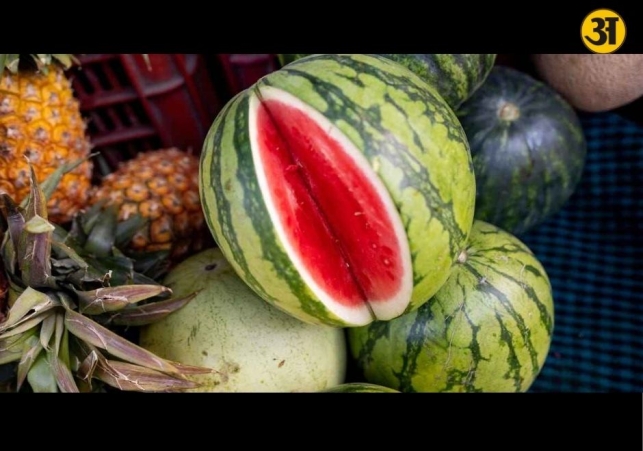
Doctors dismiss viral watermelon death rumours
Experts say watermelon is safe if handled and stored properly
Watermelon is one of the most popular fruits during the summer season in India. Millions of people eat it every day because it helps keep the body cool and hydrated in extreme heat. However, in recent days, many people became worried after reports from Mumbai and Chhattisgarh linked watermelon consumption to deaths and serious illness. Videos and messages quickly spread across social media, creating fear among the public.
Many people started asking whether watermelon had become unsafe to eat. Some videos showed watermelons releasing foam when cut open, while other social media posts claimed that poisonous chemicals were being injected into the fruit. These rumours spread rapidly online and caused confusion among families across the country.
However, doctors and health experts say there is no scientific proof that watermelon itself can cause death. According to medical experts, the real issue is not the fruit, but poor hygiene, contamination, improper storage and spoiled watermelon.
Doctors explain that watermelon is generally very safe when it is fresh, clean and stored correctly. The fruit contains a large amount of water, vitamins and antioxidants that are considered beneficial for health during hot weather.
The panic increased after reports emerged from Mumbai where four members of a family reportedly died after eating watermelon. In another incident from Chhattisgarh, a 15-year-old boy also reportedly died after allegedly consuming the fruit. After these reports became public, many social media users started connecting watermelon with poisoning.
But health experts say such cases need proper medical investigation before blaming the fruit directly. According to doctors, food poisoning caused by bacteria or contaminated food is far more likely than watermelon naturally becoming dangerous.
Dr Chhya Vaja, an internal medicine expert from Mumbai, explained that watermelon itself does not contain poison. She said the concern arises when the fruit is cut and left uncovered for long periods in hot weather. During summer, temperatures remain extremely high, which creates ideal conditions for bacteria to grow quickly.
Experts say roadside fruit stalls often keep pre-cut watermelon pieces exposed to heat, dust and flies for many hours. If proper cleanliness is not maintained, harmful bacteria can enter the fruit. Once contaminated, eating such watermelon may cause food poisoning.
Doctors say bacteria such as E. coli and Salmonella are common causes of food contamination. These bacteria can grow rapidly when food is stored in unhygienic conditions or left outside refrigeration for too long.
Symptoms of food poisoning may include:
-
Vomiting
-
Loose motions
-
Stomach pain
-
Acidity
-
Cramps
-
Fever
-
Weakness
In severe cases, especially among children, elderly people or those with weak immunity, dehydration and complications can become dangerous.
Doctors say people should understand the difference between spoiled fruit and healthy fresh fruit. Fresh watermelon remains safe and healthy when handled properly.
Doctors explain how spoilage happens
Another reason for the panic was a viral video shared online that showed watermelon releasing foam after being cut open. Many people believed this meant chemicals or poison had been injected into the fruit.
ALSO READ: Donald Trump to visit China after nearly nine years amid global tensions
ALSO READ: Trump-Xi meeting to focus on trade and global crises
However, doctors strongly rejected these claims.
According to Dr Basavaraj S Kumbar, a consultant in internal medicine, the foaming inside watermelon is usually caused by internal fermentation and spoilage. He explained that overripe fruit or watermelon with tiny cracks may allow bacteria or yeast to grow inside. As these microorganisms multiply, gases form within the fruit, creating foam or bubbles.
This process is similar to fermentation seen in spoiled food items. Experts say it is not evidence of poison injection.
Doctors say any watermelon showing unusual signs should immediately be discarded. People should avoid eating watermelon if it:
-
Smells sour
-
Produces foam or gas
-
Feels slimy
-
Looks mushy
-
Has an unusual colour or texture
Experts also warn that spoiled fruit can sometimes look normal from the outside. Therefore, consumers should always inspect the fruit carefully after cutting it open.
Medical professionals stress that there is no reason to completely stop eating watermelon during summer. In fact, watermelon is considered one of the best fruits for hydration because it contains more than 90 per cent water.
During Indian summers, dehydration and heat exhaustion become common problems. Doctors say watermelon helps the body stay cool and provides important nutrients, including vitamins A and C.
Instead of fearing the fruit, experts advise people to focus on hygiene and safe food practices.
Doctors recommend several important precautions while buying and eating watermelon:
-
Wash the outer surface properly before cutting
-
Avoid buying pre-cut watermelon sold openly on roadsides
-
Eat freshly cut fruit whenever possible
-
Use clean knives and chopping boards
-
Store leftover watermelon in a refrigerator
-
Buy fruits from trusted vendors
-
Avoid damaged or cracked watermelons
Experts say proper refrigeration is especially important after cutting the fruit. Leaving watermelon outside in heat for long periods increases the risk of bacterial growth.
Doctors also advise families not to believe every viral message circulating online. They say misinformation on social media often spreads fear without proper scientific evidence.
Health experts explain that many viral rumours become popular because people react emotionally to shocking news. But medical conclusions should only be made after scientific testing and proper investigation.
They also remind people that food poisoning can happen with many foods if hygiene is ignored. Watermelon is not unique in this regard.
Experts say awareness about food safety is more important than panic. Simple habits such as washing fruits properly, storing food correctly and checking freshness can greatly reduce health risks.
Doctors continue to encourage people to eat seasonal fruits, including watermelon, as part of a balanced diet. They say there is no scientific reason to avoid watermelon completely during summer.
According to experts, the recent incidents should serve as a reminder about proper food hygiene rather than create fear about the fruit itself. Fresh and properly stored watermelon remains safe, healthy and beneficial for most people.
Medical professionals conclude that the danger comes from contamination and spoilage, not from watermelon naturally becoming poisonous. They advise people to stay informed through trusted medical guidance instead of relying on rumours shared online.
Related News